
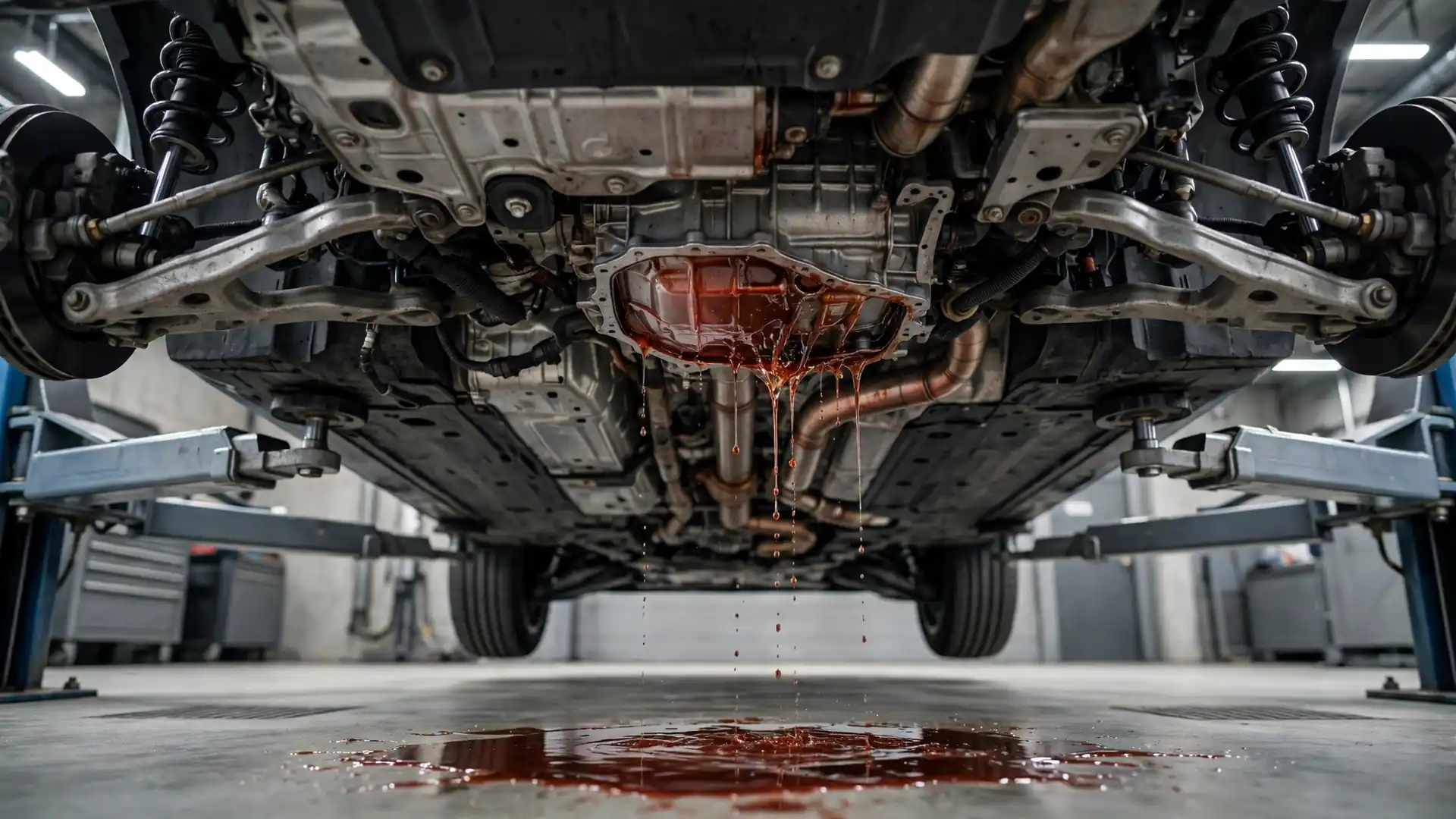
A gearbox helps your car move at different speeds and sends engine power to the wheels. When it starts to fail, you may notice changes in how your car drives. Ignoring these signs can lead to more damage and higher repair costs.
You may need gearbox repair if your car has a fluid leak, a faulty sensor, a worn seal, or a problem with a shift solenoid. However, a gearbox replacement may be needed if the internal gears are badly damaged, several major parts have failed, or the unit cannot be repaired safely.
Slipping gears, loud grinding noises, delayed shifts, and a burning smell can point to serious trouble, but these signs do not always mean you need a new gearbox.
The best way to decide between repair and replacement is to find the exact cause of the fault. A proper inspection can show whether a small repair will solve the problem or whether replacing the gearbox is the better long-term choice.
What Is the Difference Between Gearbox Repair and Replacement?
Gearbox repair means fixing or replacing the damaged parts inside the existing unit. This may involve changing seals, repairing a solenoid, replacing worn clutch parts, or fixing an electrical fault.
Gearbox replacement means removing the faulty unit and fitting another gearbox. The replacement may be new, rebuilt, or used, depending on the car and available options.
Repair is often suitable when the damage is limited, while replacement may be better when several internal parts have failed. The right choice depends on the gearbox condition, repair cost, parts availability, and expected long-term reliability.
What Are the Signs That Your Gearbox Needs Repair?
Some gearbox problems can be fixed without replacing the whole unit. Early warning signs can help you find these faults before they cause more damage. If you notice any of the following changes, arrange an inspection to identify the cause.
1. Transmission Fluid Is Leaking
Transmission fluid helps lubricate moving parts, control heat, and support gear changes. If you see red, pink, brown, or dark oily fluid under your car, the gearbox may be leaking. Common causes include worn seals, damaged gaskets, loose connections, or cracked fluid lines.
A leak does not always mean the gearbox needs replacement. In many cases, a mechanic can repair the leaking part and refill the system with the correct fluid.
However, driving with a low fluid level can damage internal components. Check for leaks quickly, especially if shifting has become rough or delayed.
2. Gear Changes Are Rough or Delayed
If your automatic car jerks when changing gears or takes too long to move after selecting Drive, the transmission may have a fault. Low fluid, dirty fluid, faulty shift solenoids, and sensor problems can all affect gear changes.
Some of these issues can be repaired without removing the whole gearbox. In manual cars, a worn clutch or damaged gear linkage may cause similar trouble.
A mechanic should check the fluid, scan the control system, and inspect related parts before deciding on a repair. If the problem is found early, you may avoid more serious internal damage.
3. A Warning Light Appears on the Dashboard
Some cars have a dedicated transmission warning light, while others use the check engine light to show a possible gearbox fault. Modern transmissions rely on sensors, wiring, and electronic control units to manage gear changes.
A faulty sensor, damaged wire, or failing solenoid may trigger a warning. These faults are often repairable and do not automatically mean the gearbox needs replacement.
A diagnostic scanner can read stored trouble codes and help a mechanic narrow down the cause. Further testing may still be needed because a code does not always identify the exact failed part.
4. The Gearbox Makes Unusual Noises
Whining, clunking, or grinding noises can point to a transmission problem. A low fluid level or worn bearing may cause whining, while damaged gears or internal parts can create grinding sounds.
A clunk may also come from worn engine mounts, gearbox mounts, or drive shafts. If the noise is caused by a replaceable part, a repair may be enough. However, widespread internal damage may require a gearbox rebuild or replacement.
Do not ignore loud or worsening noises. A mechanic can inspect the unit and determine whether the sound comes from the gearbox or another part of the car.
5. The Car Slips Out of Gear
Gear slipping happens when the gearbox fails to hold the selected gear. You may notice the engine speed rising while the car does not gain speed as expected. An automatic gearbox may change gears unexpectedly, while a manual car may struggle to transfer power through a worn clutch.
Low fluid, faulty solenoids, worn clutch packs, and damaged internal parts can cause this problem. A fluid leak or control system fault may be repairable. If several internal parts are badly worn, the repair may be more complex. Get the problem checked promptly because slipping can increase heat and damage.
What Are the Signs That Your Gearbox May Need Replacement?
Some faults are too serious or costly to fix by replacing only one part. In these cases, a replacement gearbox may offer better value and reliability. A professional inspection is needed to confirm the extent of the damage.
1. Severe Damage to Internal Gears
The gears inside a transmission must fit and work together correctly to transfer engine power. If the teeth become badly worn, chipped, or broken, the gearbox may make loud grinding noises or fail to move the car.
Small faults in certain parts may be repairable, but widespread gear damage can require a full rebuild or replacement. The mechanic may need to open the gearbox to inspect the internal parts.
If many components are damaged, replacing the unit may be more practical than repairing each part separately. The decision should be based on the damage and total repair cost.
2. Metal Pieces Found in the Transmission Fluid
A small amount of fine material may collect as parts wear, but visible metal flakes, chips, or larger pieces can point to serious internal damage. These may come from gears, bearings, or other moving parts inside the transmission.
Metal debris can travel through the fluid and damage other components. A fluid inspection can provide useful clues, but it cannot always show the full condition of the gearbox.
If there is heavy contamination, the mechanic may recommend opening the unit for further checks. Depending on the findings, a rebuild or replacement may be needed to restore safe operation.
3. The Gearbox Has Lost Drive Completely
If the engine runs but the car cannot move in Drive or Reverse, the transmission may have a serious fault. Possible causes include a failed torque converter, damaged clutch packs, a broken internal part, or a major hydraulic pressure problem.
However, a faulty sensor, selector mechanism, or low fluid level can sometimes cause similar symptoms.
A complete loss of drive does not automatically mean the whole gearbox must be replaced. The vehicle should be checked to find the exact cause. Avoid repeatedly pressing the accelerator to force the car to move, as this may increase the damage.
4. Several Major Parts Have Failed
A gearbox may have more than one fault at the same time, especially if it has been driven with low fluid or excessive heat. For example, damaged clutch packs, worn bearings, and broken gears may all affect its operation.
Repairing each part separately can take time and become expensive. In such cases, a rebuilt or replacement unit may offer a better solution. The mechanic should explain which parts have failed and provide a clear estimate for the available options.
Comparing the cost, warranty, and expected service life of each option can help you make a more informed choice.
5. The Cost of Repair Is Too High
The cost of repair is an important factor when deciding whether to keep the existing gearbox. If the unit needs extensive internal work, the total bill may come close to the cost of a suitable replacement.
A repair may still be worthwhile if the gearbox is otherwise in good condition and the damaged parts can be replaced reliably. However, an older unit with several faults may be better replaced.
Ask for a written estimate that includes parts, labour, fluids, and any required programming. Compare this with the cost of a new, rebuilt, or used unit before making your decision.
Gearbox Repair vs Replacement: Which Is Better?
The best option depends on the type of damage, the condition of the gearbox, and the cost of each solution. The following table shows how the two options compare.
Factor | Gearbox Repair | Gearbox Replacement |
Type of fault | Usually suitable for limited or localised faults | Often considered for severe or widespread damage |
Work involved | Fixes or replaces specific faulty parts | Removes the existing unit and fits another |
Initial cost | Often lower for small repairs | Often higher because of the replacement unit and labour |
Repair time | Depends on fault and parts availability | Depends on unit availability and installation work |
Existing gearbox | Keeps the current unit | Replaces the current unit |
Warranty | Depends on the repair and workshop terms | Depends on the replacement unit and warranty terms |
Long-term value | Good when the main unit remains in sound condition | May be better when the existing unit has major damage |
A gearbox rebuild is another option. It involves taking apart the existing unit, inspecting its parts, and replacing damaged or worn components. A rebuild may be suitable when the gearbox casing and main parts can still be used. Ask a specialist to explain whether repair, rebuilding, or replacement offers the best value for your car.
What Factors Affect the Cost of Gearbox Repair or Replacement?
The total cost depends on several details, so there is no single price that applies to every car. The type of transmission, the extent of the damage, and the availability of parts can all affect the final bill.
Type of Car and Gearbox
Different cars use different transmission designs. A basic automatic gearbox may have a different repair cost from a dual-clutch transmission or a continuously variable transmission (CVT).
Some luxury and high-performance cars use complex units that need specialist tools, parts, and programming. The availability of replacement gearboxes can also affect the price.
Before approving any work, make sure the workshop identifies the exact gearbox model and uses parts that match your vehicle. Choosing an unsuitable unit can cause shifting problems or lead to further repair costs.
Labour and Replacement Parts
Labour costs depend on how much work is needed to remove, inspect, repair, or replace the gearbox. A small external repair may take far less time than rebuilding an internal assembly.
Replacement costs may include the gearbox unit, seals, fluid, filters, and any required software setup. A used gearbox may cost less upfront, but its condition and history may be uncertain.
A rebuilt or new unit may offer different warranty terms. Ask for a full breakdown of the quote so you understand what is included and whether extra work may be needed.
Damage Caused by Delayed Repairs
A small problem can become more expensive if you continue driving without finding the cause. For example, a fluid leak may lead to low fluid pressure, overheating, and damage to internal clutch packs.
A worn bearing may also damage nearby parts if it is left unchecked. Early diagnosis may allow the mechanic to fix the original fault before it spreads.
If your car shows signs of slipping, harsh shifts, or fluid loss, arrange an inspection as soon as possible. Acting early does not guarantee a small repair, but it can reduce the risk of further damage.
Can You Drive a Car With a Damaged Gearbox?
Driving with a gearbox fault is not always safe. A minor issue may allow you to drive a short distance to a workshop, but this depends on the symptoms and the advice of a qualified mechanic.
Severe slipping, loud grinding, a burning smell, a major fluid leak, or a sudden loss of drive means you should stop safely and arrange recovery. The car could lose power when you need it, and continued driving may cause more damage.
Do not force the gearbox to change gears or keep accelerating when it is slipping. When in doubt, have the vehicle transported to a workshop.
How Can a Mechanic Decide Between Repair and Replacement?
A gearbox specialist will usually begin by asking about the symptoms and checking when they occur. The inspection may include checking fluid level and condition, looking for leaks, scanning the car for diagnostic trouble codes, and checking wiring, mounts, and related parts.
A road test may help reproduce the problem when it is safe to do so. If these checks suggest internal damage, further tests or removal of the gearbox may be needed.
After finding the cause, the mechanic can explain whether the fault can be repaired, whether the unit needs rebuilding, or whether replacement is the better option. Ask for a clear estimate and details about parts, labour, warranty, and expected repair time before approving the work.
How Can You Make Your Gearbox Last Longer?
Good maintenance can help reduce wear and lower the risk of serious transmission faults. Follow the service schedule in your car’s owner’s manual and use only the recommended transmission fluid.
Fix leaks quickly, avoid hard acceleration when the gearbox is cold, and allow the car to stop fully before switching between Drive and Reverse. If you tow heavy loads or drive in demanding conditions, ask a mechanic whether your car needs extra checks.
Pay attention to changes in gear shifting, unusual noises, or warning lights. Early action can help protect the gearbox and reduce the chance of costly repairs.
Conclusion
Your gearbox may only need repair if the problem comes from a fluid leak, faulty sensor, worn seal, or damaged solenoid. However, severe internal damage, broken gears, heavy metal contamination, or several failed parts may make rebuilding or replacing the unit a better choice. Rough shifting, slipping, unusual noises, and loss of drive are important warning signs, but they do not confirm the need for a replacement on their own.
The best decision comes from an accurate diagnosis and a clear comparison of repair costs, replacement options, warranty terms, and long-term value. Avoid delaying repairs when symptoms first appear, as continued driving can make the damage worse.
If your car is showing signs of gearbox trouble, contact Gearbox Repair Sharjah for professional inspection, fault diagnosis, gearbox repair, and replacement services. A specialist can assess the condition of your transmission and help you choose the right solution for your car.