
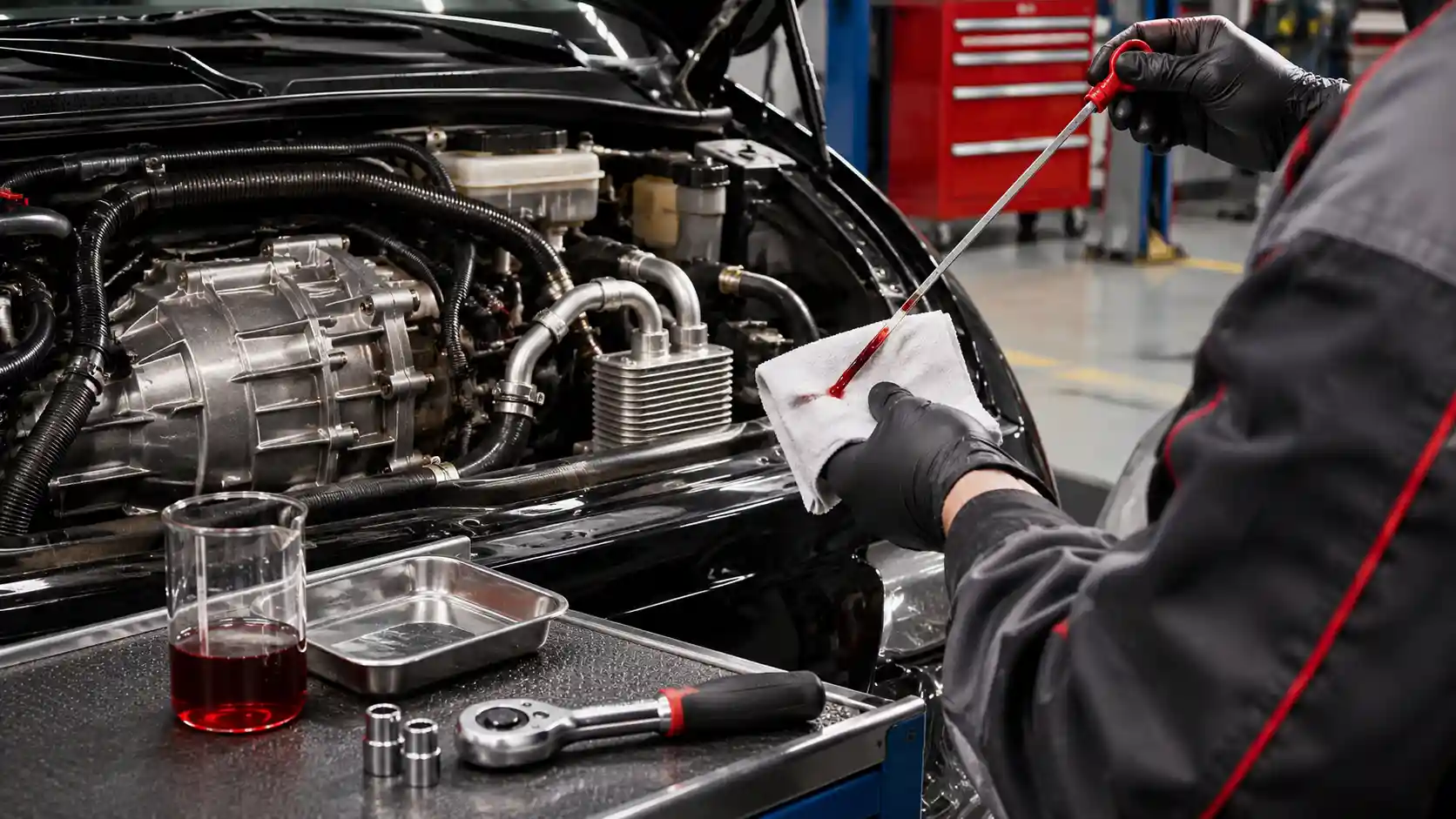
A car gearbox should change gears smoothly and keep the engine power connected to the wheels. When it starts slipping, the engine may rev higher without making the car move faster. You may also notice sudden changes in speed, delayed gear shifts, or a loss of power while driving.
A gearbox can slip because of low or dirty transmission fluid, worn clutch plates, damaged seals, faulty shift solenoids, or internal mechanical problems. In automatic cars, a weak transmission pump or a faulty valve body can affect gear pressure.
In manual cars, a worn clutch disc or pressure plate can stop the gearbox from transferring engine power properly. The problem should not be ignored because continued driving can cause more damage and increase repair costs.
Understanding the warning signs and common causes can help you find the fault early and avoid a complete gearbox failure.
What Does It Mean When a Car Gearbox Slips?
Gearbox slipping happens when the transmission fails to hold the selected gear properly. The engine may continue to increase its speed, but the car does not gain speed as expected. In some cases, the transmission may move into another gear without the driver selecting it.
This problem can happen in both automatic and manual cars, although the causes may differ. Automatic transmissions depend on hydraulic pressure, clutch packs, and electronic controls to change gears.
Manual transmissions use a clutch system and gear sets operated by the driver. When any of these parts wear out or stop working correctly, power transfer can become weak.
Most Common Causes of Car Gearbox Slipping Between Gears
Low Transmission Fluid Level
Low transmission fluid is one of the common causes of slipping in automatic gearboxes. This fluid helps create hydraulic pressure, lubricates moving parts, and controls heat inside the transmission. When the level drops, the gearbox may not have enough pressure to engage its clutch packs properly.
As a result, you may notice delayed shifts, engine revving, or difficulty moving the car. Low fluid can happen because of a leak from damaged seals, loose connections, a worn gasket, or a faulty transmission cooler line. Checking the fluid level according to the car manufacturer’s instructions can help identify the problem before it causes serious damage.
Signs of Low Transmission Fluid
Look out for these warning signs:
- Delayed engagement when selecting Drive or Reverse.
- Higher engine RPM without a matching increase in speed.
- Rough or delayed gear changes.
- Unusual whining sounds from the gearbox.
- Fluid spots under the parked car.
If the fluid level is low, simply topping it up may not solve the issue. The source of the leak must be found and repaired.
Dirty or Burnt Transmission Fluid
Transmission fluid becomes less effective as it gets older and collects dirt, metal particles and other debris. High operating temperatures can also break down the fluid and reduce its ability to protect internal parts. When this happens, the gearbox may struggle to create the pressure needed for smooth gear changes.
Burnt transmission fluid may have a dark colour and a strong burnt smell. You might also notice jerking, slipping, or delayed shifts.
However, fluid colour alone cannot confirm the exact condition of the transmission. A proper inspection can help determine whether the fluid needs changing or whether internal damage has already occurred. Always use the fluid type approved for your car.
Worn Clutch Plates Inside an Automatic Gearbox
Automatic transmissions use internal clutch packs to connect different gear sets and transfer engine power. These clutch packs contain friction plates that engage and disengage during gear changes. Over time, repeated use, overheating, and poor fluid condition can wear down the friction material.
When the plates become worn, they may struggle to hold the selected gear. This can cause the engine RPM to rise while the car gains little speed.
In severe cases, the transmission may lose the ability to move the car in certain gears. Replacing worn clutch packs often requires opening the gearbox, so accurate testing is important before starting the repair.
Faulty Shift Solenoids
Shift solenoids are small electrical components that control the flow of transmission fluid inside an automatic gearbox. They receive signals from the transmission control module (TCM) and help direct hydraulic pressure to the correct clutch packs and gear circuits.
If a solenoid becomes blocked, damaged, or electrically faulty, the gearbox may not change gears at the right time. This can lead to slipping, delayed shifts, or the transmission staying in one gear.
A warning light may appear on the dashboard, and a diagnostic scan may show a related fault code. A technician should test the solenoid and its wiring before deciding whether replacement is needed.
Damaged Transmission Bands
Some automatic transmissions use bands to hold certain rotating parts in place during gear changes. These bands work with clutch packs to help the gearbox select the correct gear ratio. Over time, friction material can wear out, or the band may become loose or damaged.
When a transmission band cannot hold the required component firmly, the gearbox may slip in specific gears. You might notice that the car drives normally in some gears but struggles in others.
This problem is more common in certain older automatic transmission designs. A gearbox inspection can help identify whether the band, its adjustment mechanism, or another internal part is responsible.
Faulty Transmission Pump or Low Hydraulic Pressure
The transmission pump moves fluid through the gearbox and creates the hydraulic pressure needed for gear changes. If the pump becomes worn or damaged, the transmission may not receive enough pressure to engage its internal clutch packs and other parts.
Low hydraulic pressure can cause slipping, delayed engagement, and unusual noises. A damaged pump may also affect lubrication, which can increase heat and wear inside the gearbox.
In some cases, a blocked filter or fluid leak can create similar symptoms. A pressure test can help a technician identify whether the pump is working correctly or if another part is affecting fluid flow.
Damaged Valve Body
The valve body is an important part of an automatic transmission. It contains a network of channels and valves that direct transmission fluid to different parts of the gearbox. This helps control when and how each gear engages.
Dirt, worn valves, or damaged internal passages can affect fluid movement and pressure. As a result, the car may shift roughly, change gears at the wrong time, or slip between gears.
Some valve body problems can be repaired, while others may require replacement. A technician may use diagnostic tools and hydraulic pressure tests to confirm the issue before removing the transmission.
Worn Clutch Disc in a Manual Car
In a manual car, the clutch connects and disconnects the engine from the gearbox. When the driver presses the clutch pedal, the clutch disc separates from the flywheel, allowing a gear change. When the pedal is released, the clutch should engage and transfer engine power to the transmission.
A worn clutch disc may not grip the flywheel properly. This causes the engine RPM to increase without a matching rise in road speed.
The problem is often more noticeable when accelerating uphill or carrying a heavy load. Replacing the worn clutch disc and inspecting the pressure plate and flywheel, can restore proper power transfer.
Damaged Pressure Plate or Clutch Release System
The pressure plate applies force to hold the clutch disc against the flywheel. If its springs become weak or its surface gets damaged, the clutch may not grip properly. This can cause slipping, especially when the engine produces more power during acceleration.
Problems with the clutch release system can create similar symptoms. A faulty hydraulic master cylinder, slave cylinder, or release bearing may stop the clutch from engaging or disengaging correctly.
Drivers may notice changes in pedal feel, difficulty selecting gears or unusual noises when pressing the clutch. A complete clutch system inspection can help find the faulty component.
Faulty Transmission Control Module (TCM)
Modern automatic transmissions use electronic controls to manage gear changes. The Transmission Control Module (TCM) receives information from different sensors and sends signals to the shift solenoids. It helps decide when the gearbox should change gears based on speed, engine load, and driving conditions.
If the TCM develops a fault or receives incorrect information, gear changes may become delayed, rough, or unpredictable. In some cases, the transmission may enter limp mode, which limits its operation to protect internal parts. A diagnostic scan can help identify electronic faults, but wiring, sensors, and solenoids should be checked before replacing the control module.
Overheating of the Gearbox
High transmission temperatures can damage fluid and reduce the performance of internal components. Automatic gearboxes produce heat during normal operation, but poor cooling, heavy loads, and low fluid levels can push temperatures beyond the recommended range.
Overheating can affect clutch packs, seals, and other parts that depend on clean fluid and correct pressure. You may notice slipping, delayed gear changes, or a burning smell.
Some cars display a transmission temperature warning on the dashboard. If this happens, stop safely and follow the vehicle manufacturer’s instructions. Continuing to drive with an overheating gearbox can turn a small problem into a major repair.
Damaged Gearbox Seals and Fluid Leaks
Transmission seals prevent fluid from escaping around moving shafts and connections. Over time, heat, pressure and normal wear can cause these seals to become hard, cracked or damaged. When this happens, transmission fluid may leak from the gearbox.
A leak can reduce fluid levels and lead to low hydraulic pressure, poor lubrication and slipping. Common leak areas include axle seals, input shaft seals, output shaft seals and the transmission pan gasket. You may notice red, brown or dark fluid under the car, depending on the fluid type and age. Finding and repairing the leak early can help prevent further gearbox damage.
Incorrect Gearbox Fluid After a Service
Using the wrong transmission fluid can affect how a gearbox works. Different transmissions require specific fluid types with particular friction, viscosity, and temperature properties. A fluid that does not meet the manufacturer’s specifications may affect clutch engagement, hydraulic pressure, and shift quality.
Overfilling can also cause problems because it may lead to foaming and poor lubrication. Underfilling can reduce pressure and increase heat. These issues may cause slipping or rough gear changes after a transmission service.
Always check the vehicle manual and use the correct fluid specification. A workshop should inspect the fluid level and condition if the problem starts soon after servicing.
Warning Signs That Your Gearbox Needs Immediate Attention
Gearbox problems often start with small changes in driving performance. Recognising these signs early can help prevent further wear and avoid expensive repairs. Some symptoms may be caused by minor electrical or fluid issues, while others point to serious internal damage.
Watch for these common warning signs:
- Engine revving: The RPM rises, but the car does not accelerate normally.
- Delayed gear engagement: The car takes several seconds to move after selecting Drive or Reverse.
- Sudden gear changes: The transmission shifts without a clear reason.
- Burning smell: Overheated fluid or clutch parts may produce a burnt smell.
- Unusual noises: Whining, grinding or clunking sounds may indicate a gearbox fault.
- Dashboard warning: A transmission warning light or check engine light may appear.
- Loss of drive: The car struggles to move even when a gear is selected.
If you notice these symptoms, avoid hard acceleration and arrange a professional inspection. If the car loses drive or makes severe grinding noises, stop in a safe place and arrange recovery instead of continuing to drive.
Conclusion
A car gearbox can slip between gears for several reasons, including low transmission fluid, worn clutch plates, damaged solenoids, faulty sensors and internal mechanical problems. In automatic cars, hydraulic pressure and electronic controls play an important role in smooth gear changes. In manual cars, a worn clutch disc or pressure plate can prevent proper power transfer.
The best way to prevent further damage is to identify the cause as early as possible. Regular gearbox servicing, correct transmission fluid, and timely repairs can help maintain smooth performance. If your car shows signs of slipping, arrange a professional inspection rather than continuing to drive with the problem.
If you are experiencing delayed shifts, loss of power, or unusual gearbox behaviour, get related services from Gearbox Repair Sharjah. Professional gearbox inspection, fault diagnosis, and repair can help identify the problem and restore smooth gear performance.