
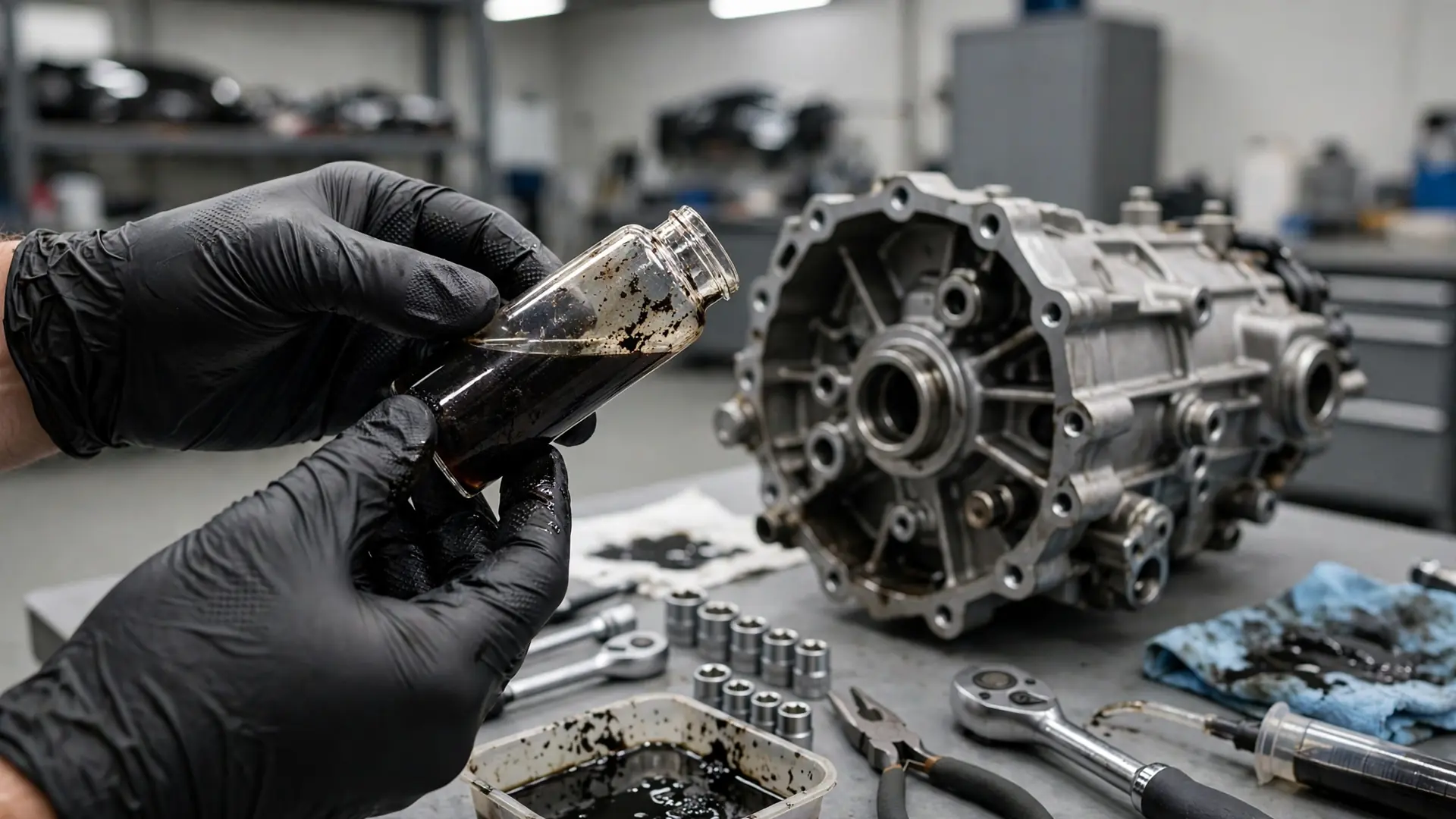
An automatic car should change gears smoothly as you speed up or slow down. If you feel a sudden jerk, hear a clunk, or notice a delay during gear changes, something may be wrong with the transmission system. These changes can start slowly and become more noticeable over time.
An automatic gearbox may change gears roughly because of low or dirty transmission fluid, worn internal parts, or a faulty shift solenoid. Problems with the transmission control module, engine sensors, or torque converter can also affect how the car shifts.
High transmission temperatures and poor maintenance may make the issue worse. In some cases, the problem comes from worn engine or gearbox mounts rather than the transmission itself.
Finding the cause early can help prevent further damage and reduce repair costs. Knowing which signs to watch for can also help you explain the problem to a gearbox specialist.
What Does Rough Gear Shifting Feel Like?
Rough gear shifting means the car does not move smoothly when the automatic gearbox changes from one gear to another. You may feel a sudden push, a strong jerk, or a short shake as the car speeds up.
Some drivers notice a hard shift when moving from first to second gear, while others feel a jolt when slowing down. The problem may happen only when the engine is cold or after a long drive. Paying attention to when the rough shifting occurs can help a mechanic find the cause more quickly.
What Causes an Automatic Gearbox to Change Gears Roughly?
Several parts work together to make an automatic transmission change gears at the right time. These include transmission fluid, clutch packs, hydraulic valves, sensors, and electronic controls.
When one part fails or stops working correctly, gear changes may become rough. The following are some common causes to consider.
1. Low Automatic Transmission Fluid
Transmission fluid plays an important role in smooth gear changes. It lubricates moving parts, carries heat away, and creates hydraulic pressure needed by many automatic gearboxes. If the fluid level becomes too low, the transmission may struggle to engage gears properly.
You may notice hard shifts, delays when selecting Drive, or slipping during acceleration. Low fluid often means there is a leak from a seal, gasket, pipe, or cooler connection.
Simply adding more fluid may not solve the problem. A mechanic should find the leak, check the correct fluid level, and confirm that the right fluid type is being used.
2. Old or Dirty Transmission Fluid
Transmission fluid can break down over time because of heat, friction, and normal use. As its condition gets worse, it may not protect internal parts as well as fresh fluid. Dirt and small particles from wear can also affect the operation of valves and other components.
This may lead to delayed shifts, sudden jerks, or rough movement between gears. Dark fluid or a burnt smell can be a warning sign, although colour alone cannot confirm a fault.
Follow the service schedule for your car and use the fluid specified by the manufacturer. Some gearboxes also require special service methods.
3. Faulty Shift Solenoids
Shift solenoids are small electrical parts that control the flow of transmission fluid inside the gearbox. The transmission control system uses them to help select the right gear at the right time.
If a solenoid becomes stuck, worn, or damaged, the fluid pressure may not change as it should. This can cause hard shifts, delayed gear changes, or trouble selecting certain gears. A faulty solenoid may also trigger a warning light or store a diagnostic trouble code.
A mechanic can use a diagnostic scanner and other tests to check its operation before deciding whether the solenoid needs cleaning or replacement.
4. Problems With the Transmission Control Module
The transmission control module, or TCM, manages many automatic gear changes in modern cars. It uses information from sensors to decide when the gearbox should shift and how it should respond to driving conditions.
If the module receives incorrect data or develops an electrical fault, shifts may become harsh or happen at the wrong time. Damaged wiring, loose connections, or software issues can also affect its operation.
A warning light may appear, but this does not happen in every case. Proper fault-code checks and electrical testing can help identify the issue and prevent unnecessary replacement of expensive parts.
5. Worn Internal Gearbox Parts
An automatic gearbox contains several moving parts that work together to transfer power from the engine to the wheels. These include clutch packs, gears, bearings, and hydraulic parts.
Over time, wear or damage can affect how smoothly the transmission changes gears. Worn clutch packs may cause slipping followed by a hard shift, while damaged internal parts can create unusual noises or vibration.
Internal wear is more likely when the gearbox has been used for a long time or has suffered from overheating or poor fluid care. A specialist may need to carry out detailed tests to confirm the damage.
6. A Faulty Torque Converter
The torque converter transfers engine power to an automatic gearbox and allows the engine to keep running while the car is stopped in gear. It also helps the car move away smoothly from a standstill.
If the torque converter or its lock-up clutch develops a fault, you may notice shuddering, vibration, or rough shifts at certain speeds. Some drivers feel the problem during light acceleration or when cruising on a road.
Low fluid levels can also affect torque converter operation. A proper inspection can help determine whether the converter is faulty or whether another transmission part is causing similar symptoms.
7. Overheating of the Automatic Gearbox
High transmission temperatures can affect fluid quality and increase wear inside the gearbox. Overheating may happen because of low fluid, a blocked cooler, a cooling system fault, heavy loads, or repeated hard acceleration.
You may notice rough shifts after driving in slow traffic or after a long trip. In severe cases, the car may enter a protective mode that limits performance. Continued driving with an overheated gearbox can lead to serious damage.
If you notice a temperature warning, a burning smell, or a sudden change in shifting, stop safely and seek professional advice rather than pushing the car harder.
8. Worn Engine or Gearbox Mounts
Engine and gearbox mounts hold these parts in place while reducing vibration. When a mount wears out, cracks, or breaks, the engine and transmission may move more than they should during acceleration or gear changes.
This can create a strong clunk or jolt that feels like a gearbox problem. The issue may be most noticeable when shifting from Park to Drive or from Drive to Reverse.
Unlike some internal transmission faults, a worn mount may not affect the actual gear-changing process. A mechanic should inspect the mounts and related parts before recommending major gearbox repairs.
9. Faulty Speed Sensors
Automatic gearboxes use sensors to measure details such as engine speed, transmission input speed, and output speed. This information helps the control system choose the right gear and manage shift timing.
If a speed sensor gives incorrect readings, the gearbox may change gears too early, too late, or with a sudden jerk. The car may also struggle to select a gear or enter a limited operating mode.
Fault codes can help identify a sensor problem, but testing is still needed because wiring faults can create similar symptoms. Replacing a sensor without checking the circuit may not fix the issue.
10. Engine Performance Problems
Not every rough gear change comes from the gearbox itself. The automatic transmission depends on the engine to provide steady power, so engine faults can affect how the car shifts.
Worn spark plugs, faulty ignition coils, fuel delivery problems, or a faulty airflow sensor may cause uneven acceleration. This can feel like a sudden transmission jerk, especially when the car is changing gears under load.
If the engine shakes, hesitates, or loses power at the same time, the engine and transmission systems should both be checked. A complete diagnosis can help avoid repairing the wrong part.
Why Does My Automatic Gearbox Shift Roughly When Cold?
Some automatic gearboxes feel different during the first few minutes of driving. When the engine and transmission are cold, the fluid is thicker and may flow differently than it does at normal operating temperature.
The gearbox control system may also use different shift patterns until the car warms up. A slight change in shifting behaviour can be normal in some models.
However, strong jerks, long delays, slipping, or grinding noises should not be ignored. If the problem continues after the car warms up or becomes worse over time, arrange an inspection to check fluid condition, sensors, and other transmission parts.
Why Does My Automatic Gearbox Jerk When Changing From Park to Drive?
A sudden jerk when moving the gear selector from Park to Drive may point to a problem with fluid pressure, engine or gearbox mounts, or the transmission control system. In some cases, the engine idle speed may be too high, causing the car to engage Drive more forcefully than normal.
Worn internal parts can also affect how the transmission applies its clutches. Before selecting Drive, make sure the car is fully stopped, and your foot is firmly on the brake. If the jolt is strong or happens every time, have the car checked rather than treating it as normal behaviour.
Can Rough Gear Changes Damage an Automatic Gearbox?
Yes, rough gear changes can lead to more damage if the cause is not addressed. For example, low transmission fluid can reduce lubrication and hydraulic pressure, which may increase wear on internal parts.
A faulty solenoid can cause incorrect fluid flow, while overheating can damage seals and clutch materials. If the gearbox keeps slipping or banging into gear, continued driving may turn a small fault into a costly repair.
The level of risk depends on the cause and how severe the symptoms are. Getting the car checked early is usually safer than waiting for the transmission to stop working.
How Can You Diagnose Rough Automatic Gear Shifting?
Finding the cause requires more than guessing from the way the car feels. A gearbox specialist may start by asking when the problem happens, such as during cold starts, acceleration, or slowing down.
The mechanic may then inspect fluid condition, check for leaks, scan the car for diagnostic trouble codes, and test sensors or electrical connections. A road test may help reproduce the fault under safe conditions.
If the first checks do not explain the issue, further pressure tests or internal inspections may be needed. This step-by-step process helps identify the real cause before parts are replaced.
How Can You Prevent Rough Gear Changes?
Good maintenance can help keep an automatic gearbox working smoothly. Follow the service plan for your specific car because fluid type, change intervals, and checking methods vary between models.
Repair fluid leaks quickly, avoid heavy acceleration when the transmission is cold, and allow the car to come to a complete stop before changing between Drive and Reverse.
If you regularly tow heavy loads or drive in demanding conditions, ask a mechanic whether your car needs additional transmission checks. Pay attention to early signs such as small jolts, delayed shifts, or unusual sounds. These may be easier and less costly to fix when found early.
When Should You Get Professional Gearbox Repair?
You should arrange a professional inspection if rough gear changes happen regularly, become stronger, or appear with other warning signs. These include slipping gears, burning smells, fluid leaks, unusual noises, warning lights, or delays when selecting Drive or Reverse.
If the car loses power, cannot engage a gear, or makes loud grinding sounds, stop in a safe place and arrange recovery rather than continuing to drive.
A specialist can check the fluid, electronic controls, sensors, solenoids, mounts, and internal transmission parts.
Depending on the cause, the repair may involve fixing a leak, replacing a faulty sensor, servicing the fluid, repairing a solenoid, or carrying out more extensive gearbox work. Accurate diagnosis helps avoid unnecessary costs and gives you a clearer idea of the repair needed.
Conclusion
An automatic gearbox may change gears roughly because of low or dirty transmission fluid, faulty solenoids, worn internal parts, overheating, or problems with electronic controls.
Worn engine mounts and engine performance faults can also cause sudden jolts that feel like transmission trouble. The timing of the symptoms, the noises you hear, and any warning lights can help a mechanic narrow down the cause.
Do not ignore repeated jerks, delayed shifts, slipping, or burning smells. Regular servicing and early repairs can help prevent further wear and keep your car running smoothly.
If your automatic gearbox is shifting roughly, contact Gearbox Repair Sharjah for professional gearbox inspection, fault diagnosis, and repair services. Get the problem checked early to help protect your transmission and avoid more serious damage.