
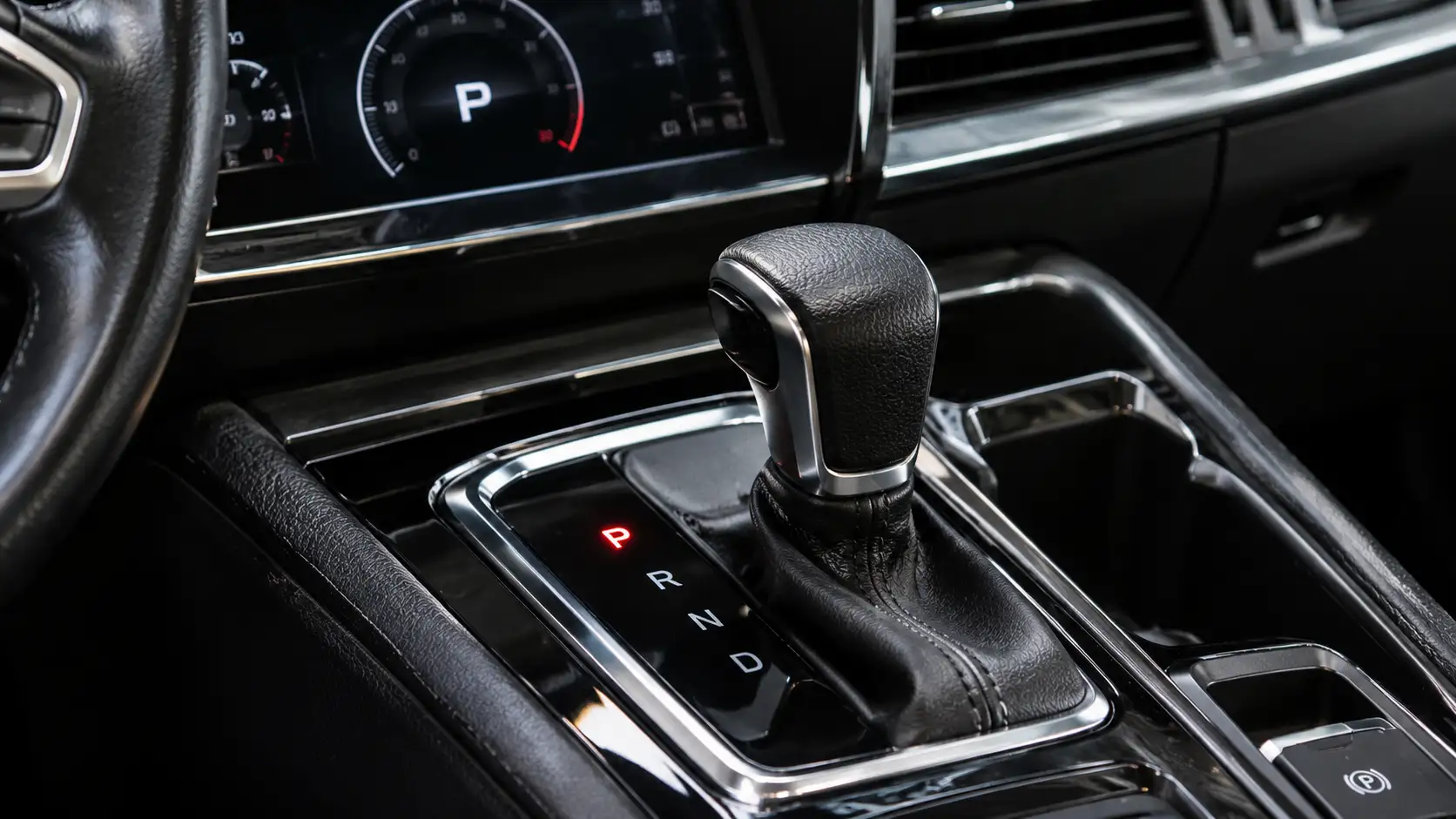
You start your car, move the gear selector to Drive or Reverse, and wait for the car to move. Instead of responding straight away, the gearbox takes a few seconds before engaging the selected gear. This delay may seem small, but it can be an early sign of a transmission problem.
An automatic car can take time to engage Drive or Reverse because of low transmission fluid, dirty fluid, worn clutch packs, faulty shift solenoids or low hydraulic pressure.
A damaged transmission pump, blocked filter or valve body problem can cause similar symptoms. In some cases, the issue may be related to electronic controls rather than mechanical parts. Finding the exact cause early can help prevent further gearbox damage and costly repairs.
What Does Delayed Gear Engagement Mean?
Delayed gear engagement happens when an automatic transmission does not respond immediately after the driver selects Drive or Reverse. Normally, the car should begin moving shortly after the gear is selected and the brake is released.
If you have to wait several seconds before the car moves, the transmission may not be building enough pressure or engaging its internal parts correctly.
The delay may happen only when selecting Drive, only in Reverse or in both positions. You may also notice a sudden jerk when the gear finally engages. These symptoms can point to low fluid pressure, worn clutch components or an electronic fault inside the transmission system.
Low Automatic Transmission Fluid
Low transmission fluid is one of the most common reasons an automatic car takes time to engage Drive or Reverse. The fluid creates hydraulic pressure that helps the transmission engage its internal clutch packs and move between gears. When the level drops, the gearbox may not receive enough pressure to respond quickly.
Fluid loss usually happens because of damaged seals, loose connections, a leaking transmission pan gasket, or faulty cooler lines.
You may notice a delay when selecting Drive or Reverse, along with slipping or unusual noises. Checking the fluid level according to the manufacturer’s instructions can help identify the issue. If the level is low, the source of the leak should be repaired.
Dirty or Old Transmission Fluid
Transmission fluid does more than lubricate moving parts. It also helps control hydraulic pressure, manage heat, and support smooth gear changes. Over time, the fluid can collect dirt, friction material, and small metal particles from normal wear. High temperatures can further break down its properties.
When the fluid becomes too dirty or loses its performance, the gearbox may struggle to engage gears properly. You might notice delayed movement, rough shifts, or a burning smell.
In some cases, a clogged filter can restrict fluid flow and make the problem worse. A technician should inspect the fluid condition and service history before deciding whether a fluid change or further repair is needed.
Faulty Transmission Pump
The transmission pump plays an important role in an automatic gearbox. It moves fluid through the transmission and creates the hydraulic pressure needed to operate different internal components. Without enough pressure, clutch packs and other parts may not engage correctly.
A worn or damaged pump can cause a delay when selecting Drive or Reverse. You may also hear whining noises, notice slipping, or experience poor gear changes while driving.
The problem can become worse as the transmission heats up. A hydraulic pressure test can help determine whether the pump is working properly. If the pump is damaged, it may need repair or replacement.
Worn Internal Clutch Packs
Automatic transmissions use clutch packs to connect different gear sets and transfer engine power to the wheels. These packs contain friction plates that engage when hydraulic pressure is applied. Repeated use, overheating, and poor fluid condition can wear down the friction material.
When clutch packs become worn, they may take longer to engage Drive or Reverse. The car may also slip during acceleration or struggle to move when a gear is selected. In some cases, the delay is more noticeable when the transmission is warm.
Repairing this issue may require opening the gearbox and replacing damaged plates. A proper inspection is necessary to confirm the condition of the internal clutch components.
Damaged Transmission Valve Body
The valve body is responsible for directing transmission fluid to the correct parts of an automatic gearbox. It contains small channels and valves that control hydraulic pressure during gear changes. This helps the transmission select and engage the correct gear.
If the valve body becomes dirty, blocked or worn, fluid may not reach the required components at the right time. This can cause delayed engagement, rough shifting or unexpected gear changes.
Sometimes, the problem affects only Drive or Reverse, while other gears work normally. A technician may use diagnostic equipment and pressure tests to check the valve body’s condition before recommending repair or replacement.
Faulty Shift Solenoids
Shift solenoids are electrical valves that control the movement of transmission fluid inside an automatic gearbox. They receive signals from the Transmission Control Module (TCM) and help direct hydraulic pressure to the correct clutch packs and gear circuits.
A faulty solenoid may not open or close properly. This can delay the engagement of Drive or Reverse and cause rough gear changes. In some cars, a damaged solenoid can trigger a transmission warning light or store a fault code.
However, the problem may also come from damaged wiring or a poor electrical connection. A diagnostic scan and electrical test can help identify the actual cause.
Blocked Transmission Filter
The transmission filter removes dirt, metal particles and other debris from the fluid before it moves through the gearbox. Over time, these particles can build up and restrict fluid flow. A blocked filter may prevent the transmission from receiving enough fluid to create the required hydraulic pressure.
When this happens, you may notice slow engagement, slipping or unusual noises. The issue can become more noticeable when selecting Drive or Reverse after starting the car. Depending on the transmission design, the filter may be replaceable during servicing or may require more work to access. A technician should inspect the filter and fluid condition before deciding on the correct repair.
Cold Transmission Fluid
Sometimes, delayed gear engagement is more noticeable when the car has been parked for several hours or overnight. This can happen because transmission fluid becomes thicker at low temperatures.
Thicker fluid may take longer to circulate through the gearbox, especially in older transmissions with worn internal components. A short delay during a cold start may not always indicate a serious fault, but repeated or long delays should not be ignored.
If the car takes several seconds to engage Drive or Reverse even after warming up, there may be another issue. Incorrect fluid, low fluid levels and worn seals can make cold-start delays worse.
Damaged Transmission Seals
Transmission seals help keep fluid inside the gearbox and maintain the pressure needed for proper operation. They are fitted around different shafts and internal components. Over time, heat and normal wear can make these seals hard, cracked or damaged.
When a seal leaks, the gearbox may lose fluid pressure. This can make it difficult for the transmission to engage Drive or Reverse quickly. Some internal seals can also allow pressure to escape between different hydraulic circuits without causing an obvious external leak.
This is why a gearbox may have engagement problems even when there are no visible fluid spots under the car. Professional pressure testing can help locate the fault.
Faulty Transmission Control Module (TCM)
Modern automatic cars use electronic systems to control gear selection and shifting. The Transmission Control Module receives information from sensors and sends signals to the solenoids that control hydraulic pressure.
If the module receives incorrect information or develops a fault, gear engagement may become slow or unpredictable. A faulty TCM can cause delayed Drive or Reverse engagement, unexpected shifting, and warning lights on the dashboard.
However, these symptoms can also come from faulty sensors, damaged wiring, or solenoids. A diagnostic scan helps identify stored transmission fault codes. The technician should test the related components before replacing the control module.
Low Battery Voltage or Electrical Problems
Automatic transmissions in modern cars depend on electrical power to operate sensors, solenoids and control modules. A weak battery, poor ground connection or damaged wiring can affect how these components communicate and respond.
If the battery voltage is too low, the transmission control system may not work as expected. You may experience delayed gear selection, warning lights or other electrical problems.
However, a weak battery is not a common direct cause of every delayed engagement issue. It should be checked when the car shows other electrical symptoms or diagnostic codes. Testing the battery, alternator and wiring can help rule out electrical faults.
Why Does My Car Delay Only When Selecting Reverse?
If your car engages Drive normally but takes time to move in Reverse, the problem may be related to a specific hydraulic circuit or internal transmission component. Reverse gear often uses different clutch packs, bands or pressure routes depending on the transmission design.
Worn reverse clutch components, damaged seals, a faulty valve body or low fluid pressure can cause this delay. You may also notice a jerk when Reverse finally engages.
Avoid repeatedly moving the gear selector between Drive and Reverse to force the car to respond. This can place extra stress on the transmission. A technician should inspect the reverse gear circuit and related components.
Why Does My Car Delay Only When Selecting Drive?
When Reverse works normally but Drive takes several seconds to engage, the fault may be linked to the forward clutch pack or the hydraulic circuit responsible for forward movement. Worn friction plates, leaking internal seals and low fluid pressure can affect how quickly the transmission engages Drive.
In some vehicles, a faulty shift solenoid or valve body can also cause this problem. You may notice that the engine RPM increases slightly before the car starts moving.
The delay may become worse after long drives or when the gearbox gets hot. A transmission inspection can help identify whether the issue is hydraulic, electrical or mechanical.
How to Fix Delayed Drive or Reverse Engagement
The correct repair depends on the cause of the delay. Adding transmission fluid will not fix worn clutch packs, and replacing a solenoid will not solve a damaged transmission pump. The gearbox should be tested before any major repair begins.
Common repair methods include:
- Fluid replacement: Changing old or contaminated transmission fluid with the correct type.
- Leak repair: Replacing damaged seals, gaskets, or cooler lines.
- Filter replacement: Installing a new filter if the existing one is blocked and not serviceable.
- Solenoid repair: Testing and replacing faulty shift solenoids.
- Valve body repair: Cleaning or replacing damaged valves and internal passages.
- Clutch pack replacement: Replacing worn friction plates inside the transmission.
- Pump repair: Repairing or replacing a damaged transmission pump.
- Electrical repair: Fixing faulty wiring, sensors, or control module connections.
A professional diagnosis helps prevent unnecessary part replacement and ensures that the repair addresses the actual problem.
How to Prevent Delayed Gear Engagement?
Regular transmission care can help reduce the risk of delayed gear engagement. Follow the service schedule recommended by your car manufacturer and use only the approved transmission fluid. The correct fluid matters because different gearboxes require different friction and viscosity properties.
Avoid shifting between Drive and Reverse while the car is still moving. Always bring the car to a complete stop before changing direction.
Check for fluid leaks and arrange an inspection if you notice unusual noises, jerking, or delayed shifts. If your car has a transmission temperature warning, follow the manufacturer’s instructions and avoid continuing to drive when the gearbox is overheating.
Conclusion
If your car takes time to engage Drive or Reverse, the problem may be caused by low transmission fluid, worn clutch packs, a faulty transmission pump, damaged seals, or electrical issues. The delay can also come from a blocked filter, faulty solenoids, or problems inside the valve body. The exact cause depends on the transmission design and the symptoms your car shows.
Do not ignore repeated delays or try to force the gearbox into gear by increasing engine RPM. Check the transmission fluid and arrange a professional inspection to prevent further damage. Regular servicing and using the correct fluid can help maintain smooth gear changes.
If you are experiencing delayed gear engagement, slipping or rough shifting, get related services from Gearbox Repair Sharjah. Professional gearbox inspection, fault diagnosis and repair can help restore smooth and reliable transmission performance.