
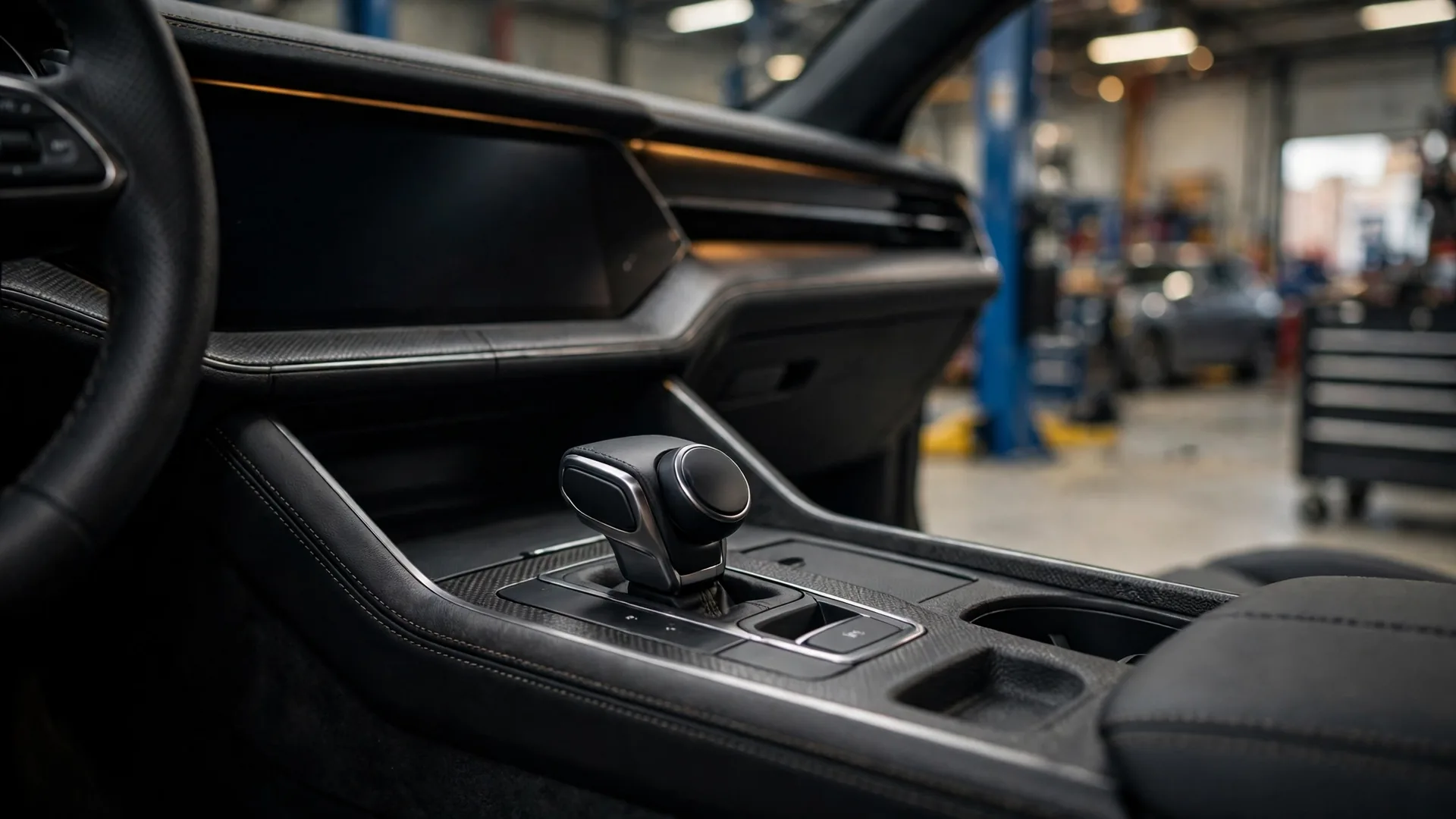
A car should change gears smoothly and respond when you press the accelerator. When something feels different, it may be a sign that a part of the gearbox is not working as it should. Finding the problem early can help you avoid costly repairs and keep your car safe on the road.
The first signs of gearbox problems in a car include gears slipping while driving and delays when shifting from Park to Drive. You may hear grinding, whining, or clunking noises when the car changes gears.
Other warning signs include leaking transmission fluid, burning smells, and shaking during gear changes. A dashboard warning light or trouble moving the car may also point to a fault in the transmission system.
These signs can appear in both automatic and manual cars. Knowing what to look for can help you take action before a small fault damages more parts.
What Are the Main Signs of Gearbox Problems in a Car?
Gearbox faults can start with small changes in how your car drives. Some problems appear only when the engine is cold, while others become clear after driving for some time.
Paying attention to these changes can help you explain the issue to a mechanic and get the right repair. The following signs are worth checking if your car no longer changes gears as smoothly as before.
1. Gears Slip While Driving
Gear slipping happens when the gearbox cannot hold the selected gear properly. You may press the accelerator, but the engine speed rises without a matching increase in road speed.
The car may also change gears on its own or lose power for a short time. In automatic cars, worn clutch packs, low transmission fluid, or damaged internal parts can cause this issue. In manual cars, a worn clutch may produce similar symptoms. Gear slipping can make it harder to control the car, so have it checked as soon as possible.
2. Delayed Gear Changes
A delay when changing gears is another common warning sign. For example, you may move the gear selector from Park to Drive, but the car takes a few seconds to move. You might also notice a pause when shifting from Reverse to Drive.
Low fluid levels, dirty transmission fluid, worn seals, or faults in the hydraulic system may cause this delay.
A problem with the transmission control unit can also affect gear changes in some cars. If the delay happens often, ask a mechanic to inspect the system before the fault gets worse.
3. Strange Grinding or Whining Noises
A healthy gearbox should not make loud or unusual noises during normal driving. A grinding sound may point to worn gears, damaged bearings, or problems with the clutch in a manual car.
A whining sound can come from low fluid levels, worn internal parts, or a failing transmission pump. You may hear these sounds when speeding up, slowing down, or changing gears.
The type of noise and when it occurs can help a mechanic find the cause. Do not ignore new sounds, especially if they become louder over time.
4. Hard or Rough Gear Changes
Gear changes should feel smooth and steady. If your car suddenly jerks, shakes, or hits hard when moving between gears, there may be a fault in the transmission system.
In an automatic car, rough shifts can be linked to old fluid, worn clutch packs, faulty solenoids, or problems with the control system. In a manual car, a worn clutch or damaged synchronisers may make shifting difficult.
Sometimes, worn engine or gearbox mounts can also cause a sudden jolt. A proper check can help separate a gearbox fault from other mechanical problems.
5. Transmission Fluid Leaks
Transmission fluid helps lubricate moving parts, control heat, and support smooth gear changes. If you notice red, pink, brown, or dark oily fluid under your parked car, it may be coming from the gearbox.
The colour depends on the fluid type and its condition, so colour alone cannot confirm the source. Leaks can come from damaged seals, loose connections, a worn gasket, or a damaged fluid line.
Low fluid levels can lead to poor shifting and overheating. If you spot a leak, arrange an inspection instead of simply adding more fluid.
6. A Burning Smell While Driving
A burning smell can mean that the gearbox is getting too hot or that fluid is breaking down. Transmission fluid loses its ability to protect moving parts when it becomes badly overheated or contaminated.
This can increase friction and wear inside the gearbox. A worn clutch in a manual car may also create a burning smell, especially after repeated slipping or when driving uphill.
However, burning smells can come from the brakes, engine oil, or other parts as well. If the smell is strong or continues, stop somewhere safe and seek professional advice.
7. The Car Shakes or Vibrates During Gear Changes
Shaking during acceleration or gear changes can point to a problem with the transmission or related parts. You may feel a vibration through the steering wheel, seat, or floor when the car moves from one gear to another.
Possible causes include worn gearbox mounts, damaged drive shafts, a failing clutch, or internal transmission wear. In automatic cars, a faulty torque converter may also cause vibration under certain driving conditions.
Not every vibration comes from the gearbox, so a mechanic should inspect the car and test it safely to find the actual cause.
8. Dashboard Warning Light Appears
Some cars have a dedicated transmission warning light, while others use the check engine light to show a gearbox-related fault. Modern cars use sensors and an electronic control unit to monitor gear changes, fluid temperature, and other operating details.
When the system detects a problem, it may store a diagnostic trouble code. A warning light does not always mean the gearbox itself is damaged, as a faulty sensor or wiring issue can trigger it too. A diagnostic scan can help identify the source. If the car also loses power or shifts roughly, get it checked promptly.
9. Difficulty Shifting Gears in a Manual Car
Manual cars rely on the clutch and gear selector system to change gears. If the gear lever becomes hard to move, refuses to enter a gear, or makes a grinding sound, there may be a problem with the clutch, linkage, or gearbox synchronisers.
A clutch that does not release fully can make first gear and reverse especially difficult to select. Low gearbox oil or worn internal parts can also cause trouble.
Avoid forcing the gear lever because this may cause more damage. Have the clutch and transmission system inspected if the problem continues.
10. The Car Moves Slowly or Fails to Move
A car that struggles to move after you select Drive or a manual gear may have a serious transmission fault. The engine might run normally, but little or no power reaches the wheels.
Possible causes include low transmission fluid, a failed clutch, damaged internal gears, or a fault in the torque converter. In some automatic cars, the system may enter a limited operating mode to protect itself from further damage.
If the car cannot move safely, do not keep pressing the accelerator to force it forward. Stop in a safe place and arrange recovery.
Why Do Gearbox Problems Develop?
Gearbox faults can develop for several reasons. Some are linked to normal wear, while others happen because of poor maintenance, heat, or a damaged part. Understanding the cause can help you reduce the risk of another repair after the current problem has been fixed.
Low or Dirty Transmission Fluid
Transmission fluid helps reduce friction, carry heat away from moving parts, and support hydraulic pressure in many automatic gearboxes. If the fluid level drops because of a leak, the system may not work correctly.
Old or contaminated fluid may also lose some of its protective qualities. This can lead to rough shifts, overheating, and faster wear. Different cars use different fluid types and service rules.
Always follow the manufacturer’s instructions when checking or replacing the fluid. Using the wrong fluid can cause shifting problems and damage the transmission.
Worn Clutch Parts
The clutch connects and disconnects the engine from the gearbox in a manual car. Over time, the clutch plate can wear down, making it harder to transfer engine power to the wheels.
Common signs include engine speed rising without a matching increase in road speed, a high clutch biting point, and difficulty moving away from a stop. Some automatic gearboxes also use internal clutch packs to change gears.
If these parts wear out, the transmission may slip or shift roughly. A mechanic can test the clutch system and decide whether adjustment or replacement is needed.
Overheating and Heavy Driving Conditions
High temperatures can put extra pressure on the gearbox, especially when the car is driven in slow traffic for long periods. Repeated hard acceleration, towing heavy loads, and driving with low fluid levels can add to the heat.
Excessive transmission temperature can break down fluid and speed up wear on seals and clutch parts. A blocked cooler or a fault in the cooling system may also raise the temperature.
If your car starts shifting badly after a long drive, have it checked. Regular maintenance can help reduce heat-related damage and extend gearbox life.
Faulty Sensors and Electronic Parts
Modern automatic gearboxes depend on sensors, solenoids, wiring, and control units to select the right gear. A faulty speed sensor may send incorrect information to the control system, while a damaged solenoid can affect fluid flow inside the transmission.
These problems may cause delayed shifts, unexpected gear changes, or a warning light. They do not always mean the internal gears are worn out.
A diagnostic scan can help find stored fault codes, but further testing may still be needed to confirm the cause. Replacing parts without proper checks can waste money and leave the fault unresolved.
How Can You Check for Early Gearbox Trouble?
You can notice many warning signs during everyday driving, even if you do not know much about cars. Pay attention to how the car starts moving, changes gears, and responds when you accelerate.
Look for fluid spots where you normally park, and notice any new smells, sounds, or warning lights. If your car has a fluid dipstick, check the level only by following the owner’s manual, since some transmissions require a specific temperature and checking method.
Never crawl under a car supported only by a jack. A mechanic should handle checks that need special tools or access underneath the vehicle.
What Should You Do When You Notice a Gearbox Problem?
The right action depends on how serious the signs are. A small change in shifting may allow you to arrange an inspection soon, but slipping gears, heavy banging, or a loss of drive can make continued driving unsafe.
- Stop safely if the problem is serious. If the car loses drive, makes loud grinding noises, or shows signs of overheating, pull over when safe and arrange recovery.
- Do not ignore fluid leaks. A low fluid level can cause more damage. Have the source of the leak checked before continuing to drive.
- Avoid hard acceleration. Do not force the car to change gears or repeatedly press the accelerator when it is slipping.
- Book a gearbox inspection. Explain when the problem happens, such as during cold starts, reversing, or highway driving.
- Follow the repair advice. Ask the mechanic to explain the fault, the repair options, and whether the fluid or other parts need attention.
Taking these steps early may help prevent damage to other transmission parts and reduce the chance of a much larger repair bill.
How Can You Prevent Gearbox Problems?
Regular maintenance is one of the best ways to keep the transmission in good condition. Follow the service schedule in your owner’s manual, including the recommended fluid checks and changes for your specific gearbox.
Fix leaks as soon as they appear, and pay attention to early changes in gear response. Avoid switching between Drive and Reverse before the car has stopped fully.
In manual cars, avoid resting your foot on the clutch pedal or holding the car on a hill using the clutch. These habits can reduce unnecessary wear and help the gearbox last longer.
When Should You Visit a Gearbox Repair Specialist?
You should arrange a professional check when gear slipping, delayed shifts, fluid leaks, or unusual noises continue or become worse. A specialist can inspect the fluid, scan the transmission control system, check the clutch and mounts, and carry out further tests when needed.
Some faults can be fixed by replacing a sensor, repairing a leak, or servicing the fluid. More serious damage may require clutch replacement or internal gearbox repairs.
Early testing helps identify the correct repair instead of replacing parts without knowing the cause. If the car cannot change gears safely, avoid driving it to the workshop.
Conclusion
The first signs of gearbox problems in a car often include slipping gears, slow shifts, unusual noises, fluid leaks, burning smells, and rough movement.
A warning light, hard gear changes, or a loss of drive can also point to a fault that needs attention. These signs may come from worn parts, low fluid, overheating, or an electronic problem.
Paying attention to changes in how your car drives can help you find a fault before it becomes more serious. Regular servicing, correct transmission fluid, and quick repairs can help protect the gearbox and reduce the risk of expensive damage.
If you notice any of these warning signs, contact Gearbox Repair Sharjah for professional inspection, fault diagnosis, and gearbox repair services. Getting the problem checked early can help you return to smoother, safer driving.